


Replacing disposable items with durable alternatives
Bathrooms are often filled with plastic (shampoo bottles, disposable cotton pads, plastic razors). Today, there are effective and pleasant alternatives that reduce waste: choose solid formats (soaps, shampoos, deodorants) and washable accessories (reusable makeup remover pads, durable razors).
Among these simple actions, the choice of toothbrush plays an important role. The Berninox toothbrush with an interchangeable head allows you to keep the handle and replace only the head when it is worn out. Choosing Berninox is like investing in stainless steel cutlery instead of using disposable plastic cutlery for a lifetime! Made in Switzerland with local expertise, our brushes guarantee long-lasting quality and impeccable hygiene (the heads are dishwasher-safe or can be boiled: read the article). By adopting Berninox, you turn a daily habit into a lasting ecological commitment.

Cleaning without chemical products
To care for your bathroom, there is no need to use chemical products. White vinegar is more than enough to remove limescale and make taps shine, clean glass surfaces and loosen deposits on joints, while avoiding harmful substances.
When it comes to accessories, choose a horsehair brush for taps and joints: it cleans gently without scratching. For the rest, a washable cotton cloth is all you need to keep your bathroom spotless without generating unnecessary waste.

Using less water and energy
Start with a few simple adjustments: install water-saving devices on your faucets to halve your consumption, and choose showers over baths (a shower uses on average three times less water).
For appliances such as water heaters and towel warmers, you can opt for high energy-efficiency models (A++ or A+++). These small changes make a real difference to your bill and to the planet.
Finally, it is worth remembering that water consumption while brushing teeth can be considerable: leaving the tap running can waste 10 to 12 liters of water per brushing. By turning off the tap and using a glass, consumption is reduced to less than one liter, saving both water and energy. Adopting this simple water-saving habit is essential to preserve this precious resource.

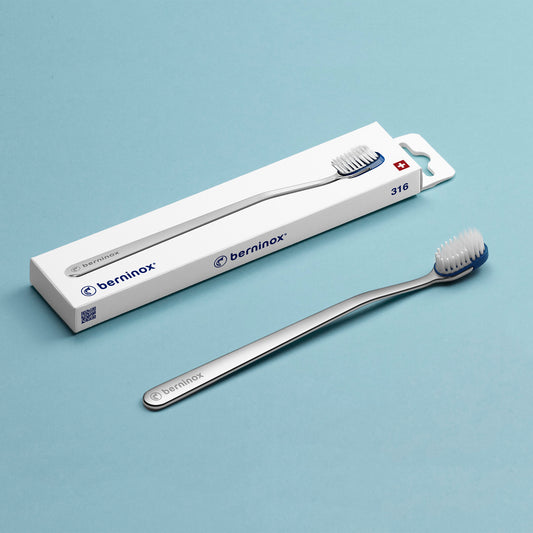
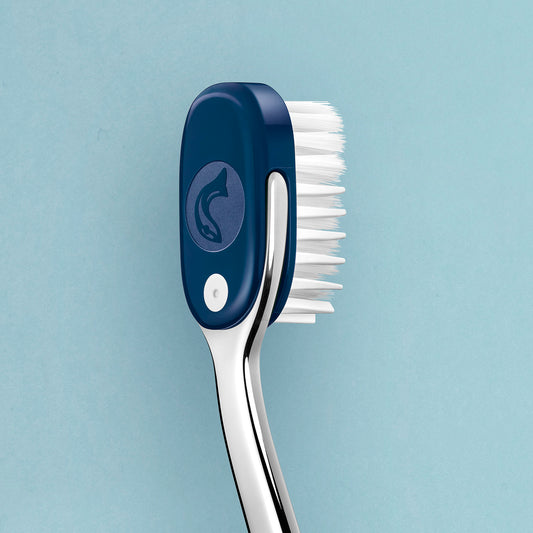
Berninox 316 ocean blue
Regular price
€35,90 EUR
Regular price
Sale price
€35,90 EUR
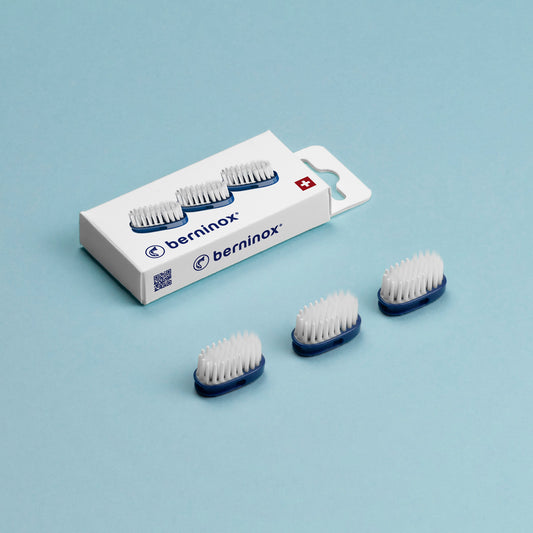
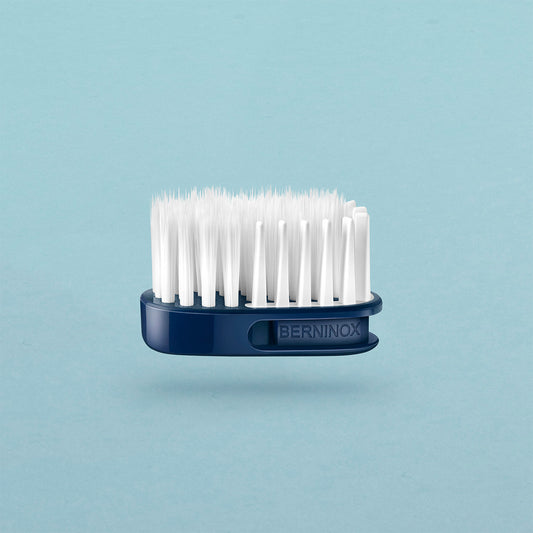
Refill heads x3 ocean blue
Regular price
€15,90 EUR
Regular price
Sale price
€15,90 EUR